Curious what your days would actually feel like in Pasadena? You might picture tree-lined streets, Craftsman homes, and a lively downtown, but the rhythm shifts block to block. If you are weighing a move, you want the details that shape daily life, not just postcard moments. In this guide, you will learn how neighborhoods differ, what commutes really look like, where you will run errands, and how events like the Rose Parade affect your week. Let’s dive in.
Pasadena at a glance
Pasadena is a mid-sized city of roughly 140,000 residents in the northeastern part of the Los Angeles metro. You will find a walkable historic core in Old Pasadena, dense commercial corridors, and quiet single-family streets with notable Craftsman and Spanish-style homes. The city’s feel is shaped by major anchors like Caltech and Pasadena City College, plus cultural institutions and the annual Rose Parade and Rose Bowl. That mix creates an educated, engaged community with real variety from one neighborhood to the next.
Neighborhood rhythms
Old Pasadena and Downtown
If you want walkability and energy, Old Pasadena along Colorado Boulevard delivers. Expect a steady stream of foot traffic, restaurants and cafes, and evening activity that runs later than typical suburban areas. Parking garages and meters make it workable, but nights and weekends can be busy. Adjacent residential blocks often use permit rules to manage spillover.
South Lake and the Playhouse District
South Lake Avenue is a polished retail and dining corridor with weekend brunch spots and coffee shops. The vibe is active but a touch calmer than Old Pasadena. You can live on quieter residential streets nearby and still walk to errands. The Playhouse area adds theaters, galleries, and a creative feel.
Bungalow Heaven and central historic streets
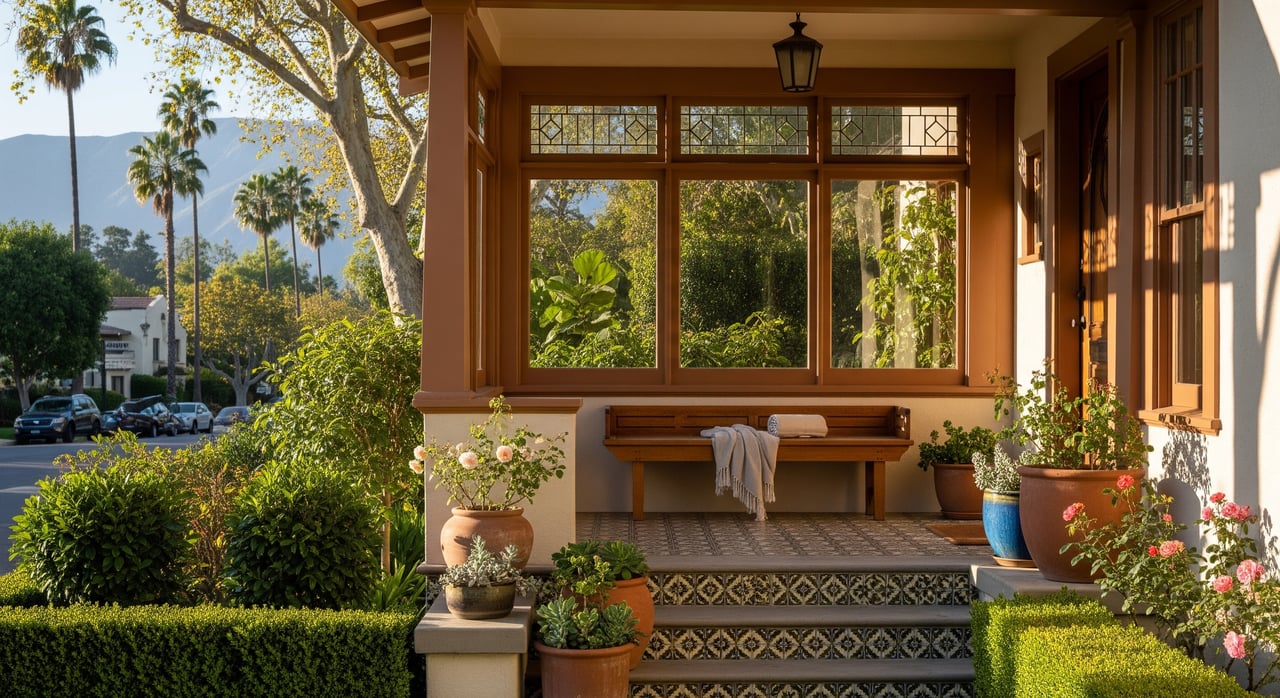
These central neighborhoods feel serene day to day. You will notice mature trees, restored Craftsman homes, and neighbors who tend their gardens. Nights are quiet and there is little late-night activity. Community associations are common and help preserve the area’s historic character.
Northeast Pasadena, Hastings Ranch, and Linda Vista
On the city’s edges near the foothills, the pace slows and homes often sit on larger lots. Daily life is more car-oriented with a suburban feel. You are close to parks and hiking, which makes early morning trail time a regular habit for many residents. Streets are generally calm outside of school and commute hours.
East Pasadena and border areas
East Pasadena mixes residential pockets with commercial and light industrial zones. Transit access varies by block, so the convenience you feel will depend on your exact location. You can find everyday services nearby, but many residents still plan on driving for most errands. Spend time at different hours to see how traffic moves.
Walkability and everyday errands
Walkable clusters exist around Old Pasadena, South Lake, Memorial Park, and parts of Caltech. In these areas you can grab coffee, groceries, and dinner on foot. Outside those pockets, Pasadena functions more like a typical LA suburb where you will drive for most errands. Grocery options include national chains, specialty markets, and smaller neighborhood shops, with farmer’s markets popping up on select days.
Coffee, dining, and shopping
Pasadena’s cafe culture is real, especially near Caltech and in Old Pasadena. You will find independent roasters, quiet study nooks, and lively patios. Dining spans casual to special-occasion, with strong brunch, bistro, and international options. Shopping concentrates on Colorado Boulevard and South Lake where boutiques sit alongside well-known retailers.
Parks and weekend routines
Parks are a big part of everyday life. Central Park and Victory Park are popular for morning walks and weekend sports. Brookside Park sits by the Rose Bowl and serves as a hub for pick-up games, family time, and fitness loops. When you want nature, the Arroyo Seco and Eaton Canyon offer trails and views within a short drive. Community recreation centers and youth leagues keep calendars full for families and adults.
Getting around and commuting
Driving and freeways
The 210 Freeway runs along Pasadena’s north side, while major arterials like Colorado Boulevard, Lake Avenue, and Huntington Drive connect daily routes. Off-peak, a drive to Downtown Los Angeles can take about 20 to 30 minutes. During peak commute periods, travel times can jump and sometimes exceed an hour. Plan for day-to-day variability similar to the broader LA region.
Public transit options
Pasadena is served by regional light rail lines with several local stops, plus Metro, Pasadena Transit, and Foothill Transit buses. Transit works well for some commutes, especially into Downtown LA, but it is not equally efficient across all neighborhoods. For many trips, transit takes longer than driving. Your experience will depend on proximity to a station and where you need to go.
Biking and walking
Biking is possible on selected routes, and you will find a mix of bike lanes and shared markings. The Arroyo Seco offers longer recreational rides that are popular on weekends. Walking is most practical in downtown-adjacent areas and near Caltech. Many residential neighborhoods are pleasant for strolls but still require a car for errands.
Parking and permit zones
Street parking is easier in most residential areas than in Old Pasadena and around major employers. Residential permit zones exist near busy commercial corridors and near Caltech, so check block-level rules before you move. Big events at the Rose Bowl or during the Rose Parade bring temporary parking and traffic impacts. Build some flexibility into your plans during those times.
Housing and cost basics
Pasadena’s housing stock is diverse. You will see older single-family homes, townhomes and condos, garden-style apartments, and newer infill near transit and the urban core. The market is generally more expensive than many parts of the San Gabriel Valley and above the national average, with premium pricing in historic districts and near Old Pasadena or Caltech. California property taxes are typically about 1 percent of assessed value, with local assessments and possible Mello-Roos adding to that.
Schools and childcare
Pasadena Unified School District operates local public schools across the city. School performance varies, so many families choose to review specific campuses and programs before deciding where to live. Private and religious schools are also present in and around Pasadena. Daycare and preschool options are available, though popular centers can have waitlists.
Utilities, services, and safety
Pasadena Water & Power provides municipal electricity and water. Southern California Gas serves gas, and internet options include major broadband providers. Trash and recycling are handled by the city or contracted vendors, with typical weekly pickup. Public safety is managed by the Pasadena Police Department and Pasadena Fire Department. Crime patterns vary by area, and property crimes around commercial corridors are a common regional concern. Review recent reports and local maps to understand trends near any home you are considering.
Weather, air quality, and seasons
Pasadena has a Mediterranean climate with dry, warm summers and mild, wetter winters. Outdoor plans are easy to keep almost year-round, from sidewalk dining to weekend hikes. Air quality can be affected by regional pollution and wildfire smoke during fire season. If anyone in your household is sensitive, plan to monitor air quality during summer and fall.
Common trade-offs to weigh
Pasadena offers a rare mix of walkable pockets, cultural depth, and access to outdoor space. The trade-offs are familiar to the LA region. Traffic can be inconsistent, event days can crowd streets and parking, and housing costs trend higher than many nearby cities. If you value amenities, architecture, and neighborhood variety, the lifestyle benefits often outweigh those hassles.
Micro-decisions and moving tips
- Neighborhood fit: For a walkable routine, focus on Old Pasadena, South Lake, and areas near Memorial Park and Caltech. For more space and quieter streets, look at Bungalow Heaven, Hastings Ranch, and foothill-adjacent areas.
- Transit access: If you plan to commute by rail, prioritize homes within a comfortable walk to light rail stations or major bus corridors.
- Parking: Check for residential permit zones and guest parking rules. Downtown living often means budgeting for garage or metered parking.
- Utilities: Set up electricity and water with Pasadena Water & Power, gas with Southern California Gas, and broadband with your preferred major provider.
- Moving logistics: Some blocks and downtown buildings require permits for curb space or loading docks. Confirm rules before your truck arrives.
- Timing: If possible, avoid moving during Rose Parade and Rose Bowl periods. Streets can be closed or congested for several days.
- Renting: Expect application fees, credit checks, and security deposits. Review pet policies and any HOA rules if you are leasing a condo.
Is Pasadena a fit for you?
If you picture mornings with coffee on a shady porch, an easy lunch in Old Pasadena, and quick access to trails on the weekend, Pasadena can fit you well. If your top priority is a short, predictable rush-hour drive, you may want to test your route during peak times before you commit. The best way to decide is to visit on a weekday morning and evening, then again on a non-event weekend to see traffic and parking in real time. When you are ready to narrow neighborhoods and compare homes, reach out to Eric Kang for calm, data-driven guidance tailored to your goals.
FAQs
Is Pasadena car-dependent for daily life?
- Mixed. Walkability is strongest in Old Pasadena, South Lake, and near Caltech, while most other neighborhoods rely on cars for errands.
How long are commutes from Pasadena to Downtown LA?
- Off-peak drives can take about 20 to 30 minutes, while peak periods often add significant delays that can push trips past an hour.
What is the vibe in Old Pasadena compared to residential areas?
- Old Pasadena is lively with dining, shopping, and evening activity, while historic residential neighborhoods are quieter with a slower daily pace.
How does the Rose Parade and Rose Bowl affect residents?
- Expect several days of increased traffic, parking restrictions, and crowds near event routes and the stadium; plan errands and moves around those dates.
Are there good parks and hiking options close by?
- Yes. Central Park, Victory Park, and Brookside Park serve daily needs, and the Arroyo Seco and Eaton Canyon offer nearby hiking and nature.