Trying to choose between Pasadena and Downtown LA can feel like comparing two great but very different versions of Los Angeles living. You might want walkable streets and a quick commute, but you also care about space, price, and the day-to-day experience outside your door. In this guide, you’ll get a clear, side-by-side view of housing, transit, culture, schools, and practical costs so you can see which area fits your lifestyle best. Let’s dive in.
Quick snapshot: price, pace, feel
- Price: Pasadena’s recent median sale price sits around $1.25M–$1.3M across all home types. Downtown LA offers a lower entry point due to its condo-heavy market, with many one-bedroom units listed well below Pasadena’s single-family median. Monthly HOA dues, parking, and building fees can narrow the gap.
- Walkability: Pasadena averages a citywide Walk Score in the high 60s, while Old Pasadena can score 90 or higher. Many DTLA addresses commonly score 90 or above. Always check address-level Walk Scores for accuracy using the Walk Score tool for Pasadena.
- Commute: City averages show mean travel time of about 27.3 minutes for Pasadena and 31.1 minutes for the city of Los Angeles overall, though individual trips vary by time and mode. See current figures from U.S. Census QuickFacts.
Housing and neighborhood feel
Pasadena home types and prices
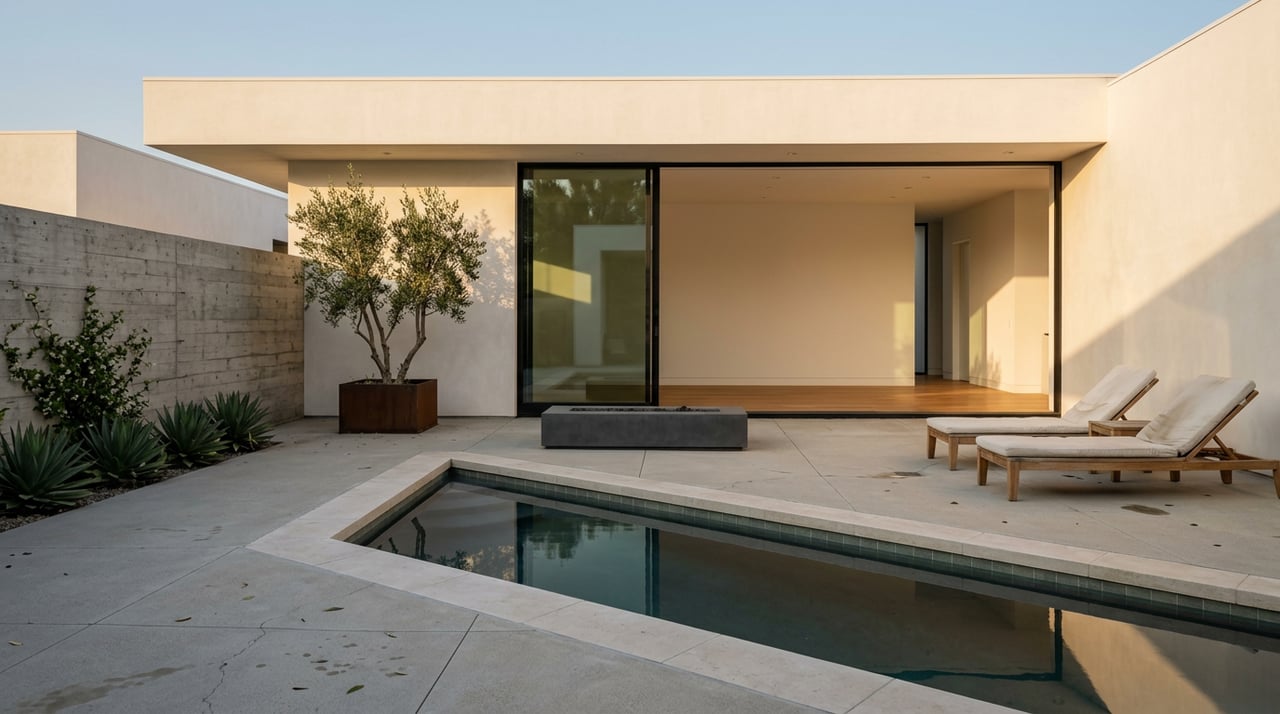
In Pasadena, you’ll find tree-lined streets and a strong mix of single-family homes, from historic Craftsman bungalows to Spanish Revival and midcentury styles. Neighborhood character is a big draw, and you’ll see more yards, driveways, and garages than you would downtown. Across home types, recent median sale prices hover around $1.25M–$1.3M, with wide variation by micro-neighborhood and property condition.
Downtown LA condos and lofts
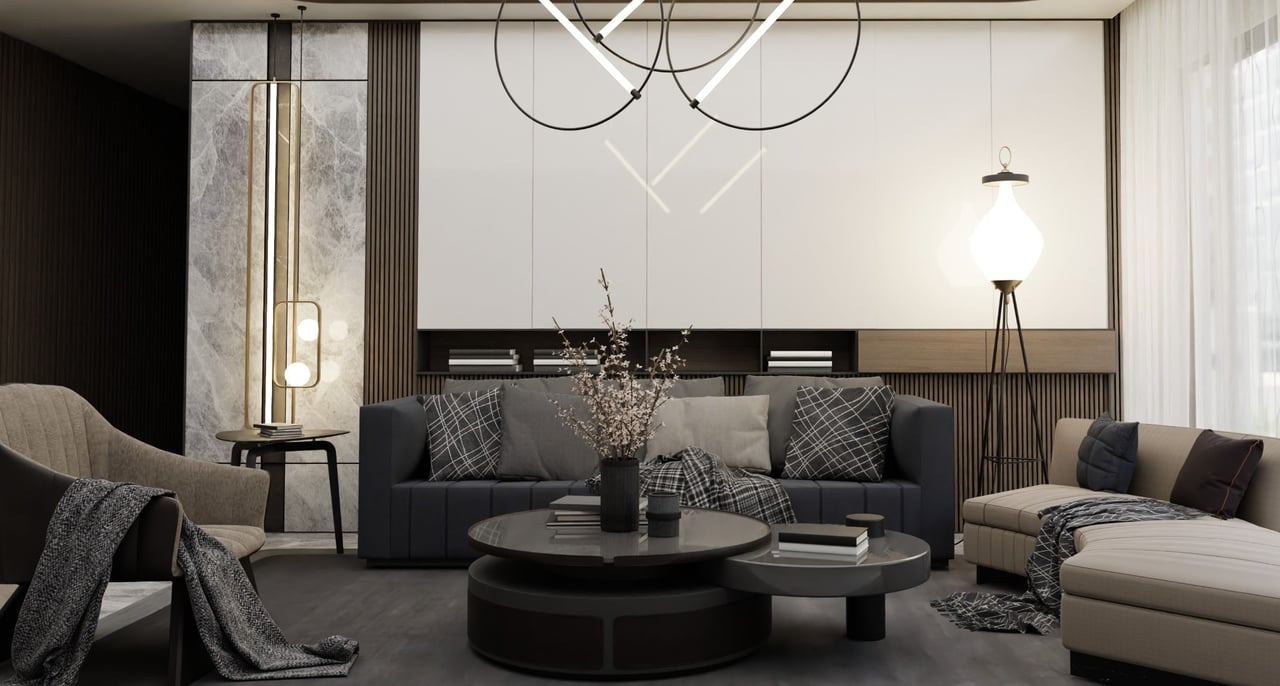
DTLA is vertical and varied. You’ll see historic loft conversions in the Historic Core, high-rise luxury buildings in South Park, and creative spaces in the Arts District. The condo-heavy mix offers more one-bedroom options and generally a lower entry price compared with Pasadena’s single-family market. Building-level details matter a lot: HOA dues, reserves, rental policies, short-term rental restrictions, guest parking, and storage can all change monthly cost and lifestyle.
Monthly costs to compare
- HOA dues, reserves, and pending assessments
- Parking: number of spaces, EV readiness, guest parking rules
- Insurance: homeowners versus condo master policies
- Utilities and amenities: gym, pool, concierge, internet packages
These factors can shift a seemingly lower list price into the same monthly range as a single-family home.
Walkability and transit
Walk Score realities
Pasadena’s overall walkability is mixed by neighborhood. Old Pasadena and the Colorado Boulevard corridor are highly walkable, while residential pockets feel quieter and more car-oriented. DTLA, by contrast, is intensely walkable in many blocks, with groceries, dining, and entertainment within a few minutes. Because both areas vary by street, it helps to pull address-level Walk Scores and walk the routes you’ll use most. Try the Walk Score Pasadena page as a starting point, then test specific addresses.
Rail access and commute
Pasadena connects to downtown via the Metro A Line, which provides a one-seat light rail ride from stations like Memorial Park and Del Mar into DTLA and Union Station. The Regional Connector simplified transfers and expanded through-routing across the county. Review current schedules and routing on Metro’s A Line service page.
Door-to-door time depends on distance to the station, train frequency, and last-mile connections. For a quick check, use real-time trip planners or sample timetables like this A Line reference map/timetable and test your commute at your actual hours.
Driving and parking
In Pasadena, many homes include driveways and garages. In DTLA, parking is typically in structured garages and often comes with monthly costs, guest restrictions, or valet policies. If you work irregular hours or host often, review building parking rules before you commit.
Lifestyle and culture
Pasadena highlights
Pasadena blends small-city charm with major cultural anchors. You can visit the Norton Simon Museum, tour the Gamble House, enjoy performances at the Pasadena Playhouse, and experience the Rose Parade and Rose Bowl each New Year’s Day. For a broader overview of the city’s landmarks and institutions, explore the Pasadena city profile.
Downtown LA highlights
DTLA puts you close to the Broad Museum, Walt Disney Concert Hall and the Music Center, Grand Central Market, and LA Live’s event calendar. Restaurants and nightlife cluster in the Historic Core, Arts District, and South Park. To sample downtown’s cultural energy, start with a visit to The Broad.
Schools and daily routines
Pasadena is served by Pasadena Unified School District. Many buyers appreciate the neighborhood feel and magnet options, but performance and boundaries vary by address and can change year to year. DTLA is within LAUSD, which offers magnets, charters, and nearby private schools. If schools are a priority, verify the exact boundary for a given property and review current performance data on district lookup tools and the California School Dashboard.
Tip: Plan your morning routine around actual bell times and your commute. A short drive can feel longer if it conflicts with train schedules or peak traffic.
Safety and street experience
Street-level conditions differ sharply by block in both areas. Parts of DTLA have a more visible unhoused population and evolving policy responses, which can shape how people experience certain corridors. For context on broader city dynamics, review this Human Rights Watch report on Los Angeles. For address-level due diligence, do two site visits at different times, speak with building management and neighbors, and review local police briefings and HOA incident logs.
Future supply and resale
DTLA has policy tailwinds for added housing through office-to-residential conversions. The long-standing Adaptive Reuse framework helped shape downtown’s revival, and the City of Los Angeles now operates a broader program that enables conversions in more areas. Learn about the program on the City Planning adaptive reuse page and see details of the Citywide Adaptive Reuse Ordinance. Increased supply can influence pricing and days on market for certain condo segments over time. Pasadena’s detached single-family stock is more constrained and benefits from preservation patterns that can support long-term value, neighborhood by neighborhood.
Who each area fits
Young professionals seeking car-light living
- DTLA: Often the better fit if you want a short commute to downtown offices, walkable nightlife, and a condo lifestyle. Lower purchase price points are common, but check HOA dues and parking.
- Pasadena: A strong option near Old Pasadena or transit nodes if you want a quieter feel with walkability to restaurants and shops.
Families prioritizing space and routine
- Pasadena: Often preferred for single-family options, backyards, and a steadier neighborhood rhythm. School research is simpler when you have a consistent home base and established routes.
- DTLA: Works if you value an urban condo lifestyle and are comfortable navigating magnets, charters, or private options across a wider radius.
Downsizers and lock-and-leave convenience
- DTLA: Consider newer high-rises with amenities, staffed lobbies, and proximity to cultural venues.
- Pasadena: Townhomes or condos near Old Pasadena offer a walkable base with a more residential ambiance.
Practical checklist
- Run address-level Walk Score and map your daily routes to groceries, coffee, and transit using the Walk Score Pasadena tool.
- Time your commute door to door using real-time transit planners or reference materials like the A Line timetable/map. Test both peak and off-peak.
- For condos, request HOA budget, reserves, special assessments, rental rules, and guest/owner parking policies.
- For schools, verify the exact boundary and check current performance data using district tools and the state dashboard.
- Do two site visits: one weekday daytime and one weeknight to gauge noise, parking, and activity.
- Review broader commute context using U.S. Census QuickFacts, then rely on your address-level tests.
How to decide
If you want space, neighborhood calm, and single-family options, Pasadena likely wins. If you want a walkable, car-light lifestyle with dense cultural access and a lower entry price via condos, DTLA is compelling. Many buyers love both areas for different reasons, so the best path is to tour a few homes in each and compare your daily routine side by side.
If you want a clear plan, curated tours, and straight talk on HOA budgets, parking, and resale, connect with Eric Kang. You will get calm, data-informed guidance across Pasadena and Downtown LA so you can move forward with confidence.
FAQs
How do Pasadena and DTLA home prices compare?
- Pasadena’s recent median across all home types is about $1.25M–$1.3M, while DTLA’s condo market often offers a lower entry price; monthly HOA and parking can narrow the gap.
Is Downtown LA walkable for daily errands?
- Many DTLA addresses score 90 or higher for walkability, but conditions change block to block, so check address-level Walk Scores and walk your exact routes.
How long is a typical Pasadena to DTLA commute?
- City averages show 27.3 minutes for Pasadena and 31.1 for Los Angeles overall; your time will vary, so test your door-to-door trip and consider the Metro A Line as an option.
What should I check before buying a DTLA condo?
- Review HOA dues and reserves, pending assessments, rental rules, parking spaces and guest policies, storage, and any building-specific restrictions on short-term rentals.
Could adaptive reuse affect downtown condo resale?
- Yes. The city’s adaptive reuse policies can add new residential inventory over time, which may increase competition in certain segments; building quality and location still drive outcomes.