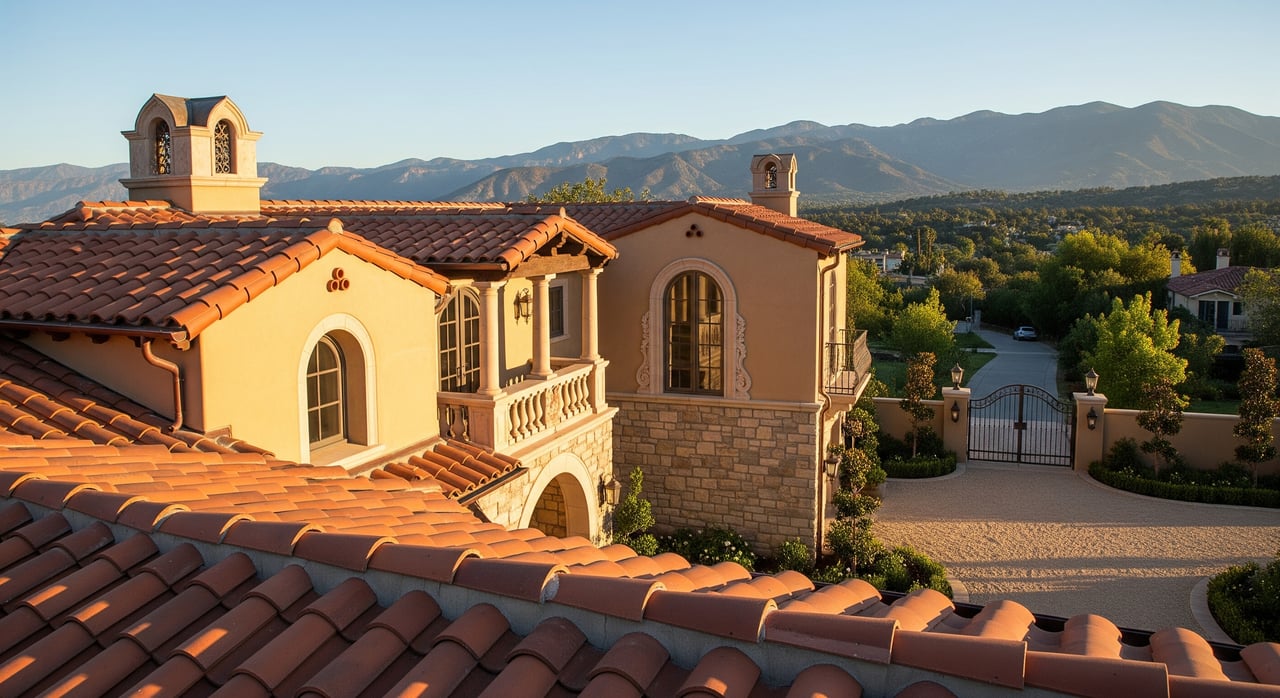
Are you trying to figure out why you need both a home inspection and an appraisal in La Cañada Flintridge? You are not alone. Older or custom hillside homes can make the process feel technical and high-stakes. In the next few minutes, you will learn what each report does, when they happen, how they affect your negotiations and loan, and which local extras are worth ordering. Let’s dive in.
Home inspection vs. appraisal, in plain terms
A home inspection evaluates a property’s condition and safety for your benefit. The inspector looks for defects, deferred maintenance, and hazards, then advises if you should bring in specialists.
An appraisal provides an opinion of market value for the lender. The appraiser analyzes recent sales and the property’s features to confirm that the loan amount is supported by the market.
Think of it this way: the inspection helps you avoid costly surprises, while the appraisal helps the lender ensure the home’s value supports your loan.
Who hires and pays in California
Home inspector
- Typically hired and paid by you, the buyer. Some sellers order a pre-listing inspection.
- California does not have a single statewide license for general home inspectors. Choose pros who are members of respected trade groups and who carry insurance.
- Inspectors may recommend or coordinate specialty evaluations like roof, sewer, chimney, structural, or pest.
Appraiser
- Hired and managed by the lender to protect the lender’s collateral interest. You usually cannot choose the appraiser directly in a conventional loan.
- Appraisers in California must hold a state credential and follow national standards. Credential levels vary by property type and complexity.
- You can provide your agent and lender with relevant comps and a list of upgrades to share through the proper channels.
What each one includes
Home inspection scope
- Exterior: roof coverings, roof penetrations, gutters, siding, grading and drainage, decks and porches, visible foundation.
- Interior: walls, ceilings, floors, windows and doors, signs of water intrusion.
- Systems: HVAC operation and age, visible plumbing and water heater, electrical panels and safety items, kitchen and bath fixtures, basic appliance checks.
- Attic and crawlspaces: insulation, ventilation, visible roof structure, moisture and pests.
- Specialty add-ons often separate: termite/WDO, sewer scope, pool/spa, chimney, roof by a roofer, septic, mold or asbestos, lead paint testing, structural or geotechnical.
Limits of a home inspection
- Non-invasive and visual. Inspectors do not open walls or move heavy items.
- Not a code compliance review or a detailed repair estimate.
- A snapshot in time based on what is observable the day of inspection.
Appraisal scope and methods
- Sales Comparison Approach is most common for single-family homes. The appraiser compares recent sales and adjusts for differences.
- Cost Approach may be used for unique or new homes when comps are limited.
- Income Approach applies to rentals and is less common for owner-occupied single-family homes.
- The appraiser verifies size, condition, quality, photos, and market factors that influence value.
Limits of an appraisal
- Not a systems diagnostic. The appraiser notes condition to the extent it affects marketability and value.
- Unique or custom homes with few comps may introduce more variance in value opinions.
Timing, contingencies, and outcomes
- Inspection: Schedule right after your offer is accepted and within your inspection contingency period. Reports often arrive in 24 to 72 hours.
- Appraisal: Ordered by your lender after loan application. Reports often take 1 to 2 weeks, longer for complex properties or in busy markets.
How they affect your deal
- Inspection results can lead to repair requests, credits, price adjustments, or additional specialty evaluations. If issues are significant and you have an inspection contingency, you can cancel within the deadline.
- The appraisal supports your loan approval. If value comes in low and you have an appraisal contingency, you can try to renegotiate, challenge the appraisal with better data, cover the gap in cash, or cancel.
- Lenders may require certain health, safety, or structural items to be addressed before closing.
La Cañada Flintridge factors to watch
La Cañada Flintridge has many older and custom homes, hillside lots, and larger parcels. These traits can add complexity:
- Custom or architect-designed homes may have fewer direct comparable sales. Appraisers may rely more on cost analysis and broader comp searches.
- Older systems can include original electrical or plumbing and historical materials that may require specialty testing.
- Hillside topography often means paying close attention to slope, drainage, retaining walls, and any signs of movement. Structural or geotechnical input is common for certain lots.
- Wildfire exposure near wildland-urban interface zones can affect insurance availability and cost. Fire-hardening and defensible space are practical considerations.
- Termite and wood-destroying organisms are common regional concerns. A separate WDO report is standard practice.
- Pools, spas, extensive landscaping, and accessory structures increase both inspection scope and appraisal complexity.
Smart inspection menu for La Cañada
Consider the following, based on the property’s age, features, and location:
- General home inspection
- Termite/WDO inspection by a licensed structural pest control operator
- Sewer scope, especially for older sewer lines or mature trees nearby
- Roof inspection by a qualified roofer, especially with older tile roofs
- Chimney and fireplace inspection
- Structural or geotechnical evaluation for hillside lots, retaining walls, cracks, or settlement
- Pool/spa inspection focused on equipment and safety features
- Electrical evaluation for older wiring types and system capacity
- Hazardous materials testing where appropriate (lead paint, asbestos)
- Wildfire mitigation and defensible-space assessment to align with insurance requirements
Coordinate with the appraisal
- Share a list of recent upgrades, with invoices if available, through your agent and lender so it can be provided to the appraiser appropriately.
- For custom or complex homes, ask for a realistic appraisal contingency timeline upfront.
- Expect that unique homes may take longer to appraise and may require thoughtful comp selection.
What to do if issues arise
After inspection findings
- Prioritize safety and structural items first.
- For cosmetic items, consider a credit at closing rather than seller-performed work.
- Seek contractor or engineer estimates to support your repair requests.
- If the issues are too significant and you are within your contingency period, consider cancellation.
If the appraisal comes in low
- Ask the seller to reduce price or meet you partway.
- Cover the shortfall in cash if you want to preserve the contract price.
- Submit an appraisal rebuttal through your lender with stronger comparable sales or missing data.
- If protections are in place and the gap cannot be resolved, use your appraisal contingency to cancel.
Buyer timeline at a glance
- Day 0 to 1: Open escrow. Review seller disclosures right away to spot red flags.
- Day 1 to 3: Order the general home inspection and schedule key specialty inspections.
- Day 3 to 10: Attend inspections. Review reports within 24 to 72 hours of each visit.
- Day 7 to 12: Negotiate repairs or credits. Seek contractor estimates if needed.
- Day 7 to 17: Lender orders the appraisal. Provide your upgrades list and helpful comps to your agent and lender.
- Day 14 to 21: Receive appraisal. If value is low, choose your path: renegotiate, challenge, cover the gap, or cancel under contingency.
Key takeaways
- Inspection protects you from physical and financial surprises. Appraisal validates value for your lender.
- In La Cañada Flintridge, older, custom, and hillside homes often require specialty inspections and careful appraisal documentation.
- Act fast on disclosures, attend inspections, and coordinate appraisal support through your lender and agent.
If you want steady, local guidance through inspections, appraisals, and escrow in La Cañada Flintridge, reach out to Eric Kang. Let’s connect and make a clear plan that protects your goals.
FAQs
What is the difference between a home inspection and an appraisal?
- An inspection evaluates a home’s condition and safety for you, while an appraisal provides a market value opinion for the lender to support the loan.
Who hires and pays for the appraiser in California?
- The lender engages and manages the appraiser, and you typically pay the appraisal fee as part of loan costs.
Will an appraiser find the same problems as an inspector?
- No. Inspectors dig into systems and safety; appraisers note condition only as it affects marketability and value.
What if my La Cañada inspection reveals major issues?
- Within your inspection contingency, you can request repairs or credits, seek more evaluations, or cancel according to the contract timeline.
What are my options if the appraisal is lower than the contract price?
- You can renegotiate price, pay the difference, challenge the appraisal through your lender, or cancel if you have an appraisal contingency.