Thinking about adding an accessory dwelling unit to your South Pasadena home? With recent California laws making ADUs easier to build, more owners are creating flexible space for multigenerational living or a steady rental. You likely want clear guidance on rules, timelines, parking, utilities, costs, and value. This straightforward primer gives you the local context and action steps you need to move forward with confidence. Let’s dive in.
What is an ADU?
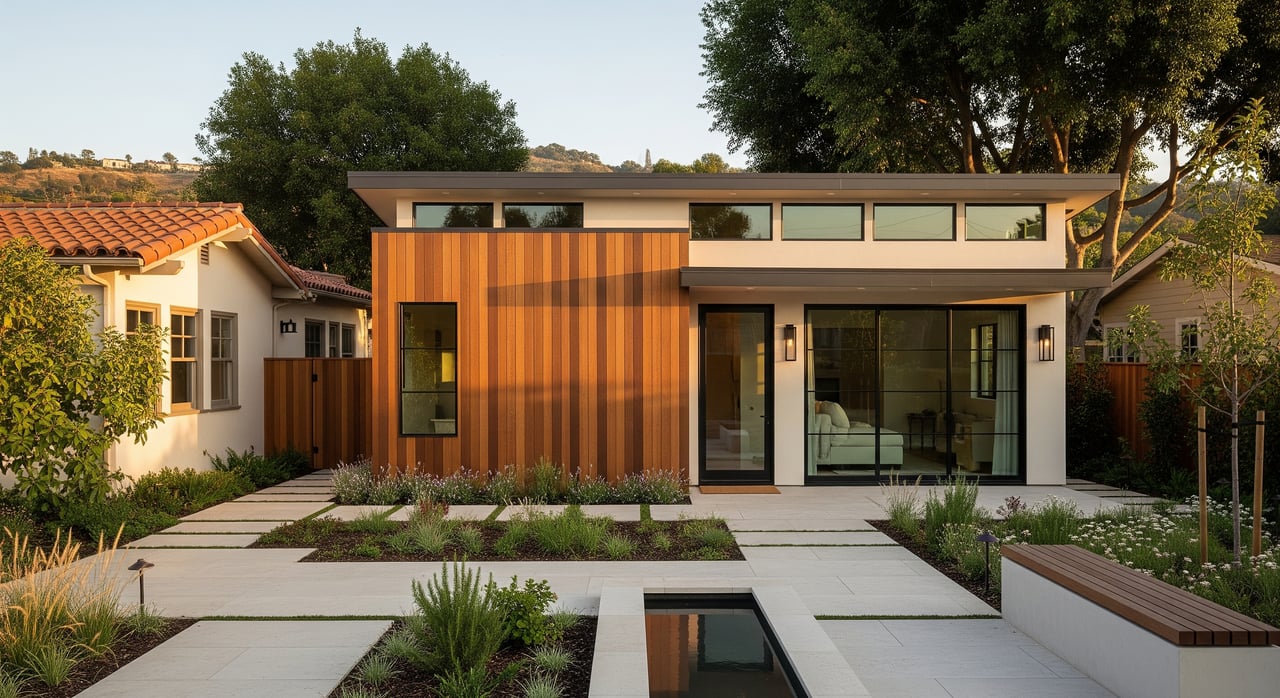
An accessory dwelling unit is a secondary, self-contained home on the same lot as your primary residence. It can be detached, attached, or created by converting existing space. A related option, the junior ADU (JADU), is typically created within the main home and is smaller, with a kitchenette and its own entrance.
ADUs can support long-term family needs or generate rental income. The right approach depends on your lot, budget, and goals. The sections below outline the rules and practical decisions to expect in South Pasadena.
Rules that shape ADUs in South Pasadena
California’s ADU laws set the foundation statewide. If your project meets objective standards, the City is required to use a ministerial approval process rather than a discretionary review. State rules also limit some local parking requirements and replacement parking when garages are converted.
South Pasadena must follow state law, and it can also set objective local standards that do not block ADUs. Key items to confirm with the City’s Planning Division include:
- Which ADU types are allowed on your lot: detached, attached, conversion, and JADU.
- Maximum size and how it is measured (gross floor area vs. living area).
- The number of ADUs and JADUs allowed on a single-family lot.
- Height, setbacks, lot coverage, and floor area ratio that apply to accessory structures.
- Parking rules and exemptions, including proximity to transit and any historic property considerations.
- Whether any design review or historic preservation review applies to your property.
If you are in a historic district or your home is a designated historical resource, you may face additional design requirements. In those cases, interior conversion or a carefully designed addition may be the most practical path.
ADU types and choosing what fits
Different ADU formats come with different costs, timelines, and constraints:
- Junior ADU (JADU). Created within the existing home with a separate entrance and kitchenette. Often up to about 500 square feet in many jurisdictions. Confirm South Pasadena’s local limit.
- Conversion ADU. Converts an existing garage, attic, basement, or accessory structure. This can reduce costs because you are reusing the building shell and some utilities.
- Attached ADU. Adds new living space connected to the primary home. Useful when you need more square footage but want shared walls and systems.
- Detached ADU. A standalone unit in the rear yard or above a garage. Provides the most privacy and flexibility but usually costs more than conversion.
Some owners pursue one ADU plus a JADU when allowed. Your lot size, setbacks, access, and utilities will shape what is possible.
Site and design considerations
South Pasadena lots vary widely. Common factors that influence design and cost include:
- Lot size and shape, slopes, easements, and tree protection.
- Rear-yard access for construction, emergency access, and ongoing maintenance.
- Privacy, window placement, and screening for you and your neighbors.
- Neighborhood character expectations that can guide rooflines, exterior materials, and fencing.
Working through a schematic site plan early will help you find the best location for the unit and reduce surprises later.
Parking and access basics
State law limits local parking requirements in many ADU situations. Typical scenarios include:
- No additional parking may be required when an ADU is within a typical distance of transit, or when certain other criteria are met under state rules.
- Local rules can sometimes require up to one parking space per ADU when exemptions do not apply.
- When converting an existing garage to an ADU, replacement parking rules are restricted under state law.
Confirm South Pasadena’s current standards and how they apply to your property. Also look at driveway layout, curb cuts, and any alley access when planning the design.
Permitting steps in South Pasadena
While each project is unique, you can expect a sequence like this:
- Preliminary check. Confirm zoning, setbacks, site constraints, utilities, and any historic status. A pre-application meeting with Planning and Building staff is very helpful.
- Schematic design. Choose your ADU type, rough size, placement, and parking approach. Identify utility connections.
- Application submission. File your planning and building permit applications with required plans and documents.
- Planning review. If your ADU meets objective standards, review is ministerial.
- Building plan check. Structural, mechanical, electrical, plumbing, and energy code compliance are reviewed.
- Utility coordination. Confirm water, sewer, electric, and gas service. Determine meters, capacity, and any connection fees.
- Permit issuance. Pay fees, complete pre-construction conditions, and secure any required fire clearances.
- Inspections. Foundation, framing, systems, and final inspections occur during construction.
- Final sign-off. Receive final inspection approval and a certificate of occupancy if you plan to rent the unit.
Timeline: what to expect
For a code-compliant ADU with a straightforward site, ministerial planning and building reviews can sometimes be completed in several weeks to a few months. More complex projects, such as detached new builds, historic properties, or sites needing utility upgrades, can take several months to a year or more from concept to occupancy.
A realistic schedule includes design time, plan check, potential resubmittals, contractor bids, utility coordination, and inspections. Build in extra time for grading, retaining walls, or stormwater measures if your site needs them.
Fees, budgets, and financing
Cities charge plan-check and building permit fees, and some impact or utility connection fees may apply. State guidance can limit or reduce certain fees for smaller units, but local application varies. Request a fee estimate early. Utility upgrades, such as a new sewer lateral or higher-capacity electrical service, are common cost drivers and can affect timelines.
How you finance will shape your path. Owners commonly use cash, a home equity loan or HELOC, a cash-out refinance, or ADU-focused construction loans. Lenders differ on how they treat potential rental income, so compare options. Build a simple model that includes construction cost, contingency, expected rent, vacancy, maintenance, insurance, and loan payments.
Utilities and infrastructure
Plan your utility strategy up front:
- Water and sewer. Some projects need separate meters or new connections. Others can tie into existing services. Connection fees and capacity reviews can apply.
- Electric and gas. Your ADU may share service with the main home or use separate meters. Upgrades are sometimes required for added load.
- Stormwater and grading. Detached ADUs and added hardscape may trigger drainage or stormwater requirements.
- Trash and mail. Coordinate unit addressing and service plans early to avoid delays at final sign-off.
Insurance, taxes, and renting
Adding an ADU changes your risk profile and your tax picture. Talk to your insurance agent about coverage for a second dwelling and potential landlord liability. Rental income is taxable. An accountant can help you understand deductible expenses and how new construction may be treated by the Los Angeles County Assessor after completion.
If you plan to rent, review South Pasadena’s rental registration and any short-term rental rules before you build. Clear lease terms and careful screening will help you operate the ADU smoothly.
Value and resale in South Pasadena
ADUs often enhance a property’s function and can boost resale appeal by creating flexibility and rental potential. Value impact varies with construction quality, privacy and access, parking, and local demand for multigenerational setups or rentals. Appraisers and buyers may weigh the unit’s size, finishes, and income potential differently across neighborhoods.
For a realistic view of how an ADU could affect your home’s market position, analyze recent local sales with ADUs and current rental demand. A local advisor can help you weigh build cost against likely value and time-to-sell in your specific micro-market.
Pre-application checklist
Use this quick list to get organized before you submit:
- Confirm zoning and whether your property is within a historic district or overlay.
- Pull a property survey or verify lot dimensions and setbacks.
- Map existing utilities and discuss meter options with your designer.
- Sketch a preferred ADU type, size range, and location on-site.
- Request a pre-application meeting with Planning and Building staff.
- Gather rough budget ranges from local contractors for your chosen ADU type.
- Consult your insurance agent and tax professional about coverage and taxes.
- Speak with a local real estate professional about value impact, rental demand, and resale strategy.
Your next step
If an ADU fits your goals, start with a site assessment and a pre-application conversation with the City. From there, refine design and budget with a designer and contractor, and line up financing early. When you want a clear read on value, rent potential, and how an ADU could shape your long-term plan in South Pasadena, connect with a local expert who studies this market every day.
If you would like a personalized look at value, rental demand, and resale strategy for your address, reach out to Eric Kang. He can help you evaluate options and move forward with confidence.
FAQs
Can I build an ADU on my South Pasadena single-family lot?
- In many cases, yes; confirm zoning, lot specifics, and any historic status with the City’s Planning Division and ensure your design meets objective standards.
How big can my ADU or JADU be in South Pasadena?
- JADUs are commonly limited to about 500 square feet in many jurisdictions, while other ADUs have local maximums; verify current size limits and measurement methods with the City.
Do I need to add parking for an ADU near transit?
- State rules often exempt additional parking when an ADU is near transit or meets certain criteria; check South Pasadena’s current standards and whether an exemption applies to your property.
How long does ADU permitting take in South Pasadena?
- Streamlined, code-compliant projects can sometimes clear planning and building reviews in weeks to a few months, while complex or historic cases may take several months to a year or more.
Will adding an ADU raise my property taxes?
- New construction can affect assessed value after completion; consult the Los Angeles County Assessor and your tax professional for guidance on how your project may be treated.
Can I rent my ADU as a short-term rental?
- Short-term rental rules are local; confirm South Pasadena’s current regulations and any registration or licensing requirements before you build or market the unit.